How to Use Drones for Unique Film Perspectives
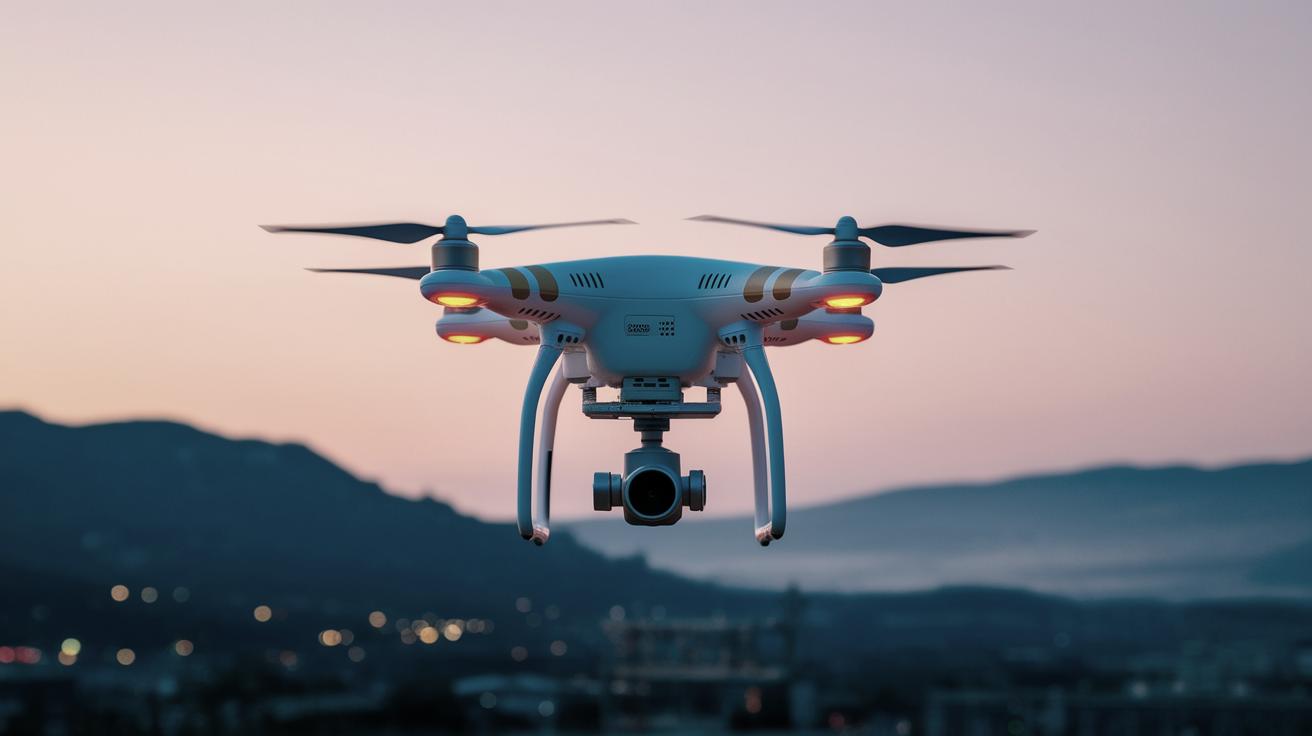
In the modern cinematic landscape, drones have emerged as revolutionary tools for filmmakers seeking unique perspectives. Not only do they offer an economical alternative to traditional aerial filming, but their versatility allows for capturing stunning shots that were once deemed impossible. From bird’s-eye views to gravity-defying tracking shots, drone technology has expanded creative possibilities. This article delves into how drones can be utilized to unlock new dimensions in film, covering practical tips, safety considerations, and groundbreaking applications. By exploring diverse filming techniques, enhancing storytelling through visual variety, and ensuring compliance with regulations, filmmakers can push the boundaries of storytelling through the eye of a drone.
Rate this article
The integration of drones into filmmaking has transformed the industry by democratizing access to aerial filming. While traditional methods involved complex logistics and high costs, drones offer an affordable, accessible solution. The lightweight and agile nature of drones allows them to capture dynamic, fluid shots that add depth and movement to any project.
Both amateur and professional filmmakers can benefit from incorporating drones into their toolkit. However, mastering the art of drone cinematography requires understanding camera settings, shot composition, and flight regulations. Embracing this technology leads to the creation of striking visuals that elevate the overall quality of the film and engage viewers more profoundly.
Thanks for your feedback
Drones are not just about achieving aerial shots; they also provide filmmakers with the flexibility to generate more complex narratives. They can seamlessly weave in and out of scenes, bringing dynamic motion that enhances storytelling. Imagine capturing a bustling market as the drone glides through crowds, or an intense chase sequence that showcases both character emotion and atmospheric tension.
Feedback from viewers and critics alike often highlights how drones contribute to immersive experiences. As technology advances, drones are becoming quieter and more efficient, reducing disruption on set and allowing filmmakers to focus on creative expression. Their ability to capture high-resolution footage means that production teams can focus on refining narrative elements without sacrificing visual quality.
Tell us more
For those venturing into drone filmmaking, it’s crucial to invest time in learning about the diverse models and their capabilities. Factors like battery life, camera resolution, and flight stability are critical. Additionally, understanding the environment where the drone will be used, considering elements such as weather conditions and location accessibility, becomes essential.
Storyboarding with the drone perspective in mind helps in effectively integrating drone shots into the narrative. Practicing maneuvers, exploring different altitudes, and experimenting with angles can unveil unexpected storytelling opportunities. Each flight should be approached with both creativity and technical precision, assuring that safety remains a top priority.
More articles on Film Production
For filmmakers looking to expand their understanding of drone cinematography, numerous resources are available. Online courses, tutorials, and community forums can offer valuable insights. Networking with other drone enthusiasts opens possibilities for collaboration and learning from shared experiences.
Industry publications and filmmaking blogs often feature case studies on innovative uses of drones in film. Exploring these can inspire filmmakers to push the envelope and think beyond conventional storytelling techniques. As technology evolves, staying informed about new software updates and equipment is key to maintaining a competitive edge in the industry.
Are you sure you want to delete your contribution?
Safety and regulation awareness is another crucial aspect of using drones in filmmaking. Ensuring a thorough understanding of local and international laws regarding drone usage is essential to avoid legal repercussions. Filmmakers must familiarize themselves with restrictions around no-fly zones, maximum altitude levels, and privacy considerations.
Adopting a responsible approach to drone usage preserves the integrity of both the production and the environment. There must be emphasis on maintaining a safe distance from people, wildlife, and structures. By respecting rules and prioritizing safe practices, filmmakers contribute positively to the growing acceptance of drones in various sectors.
Are you sure you want to delete your reply?
The collaborative nature of film production necessitates clear communication when utilizing drones on set. Engaging with crew members and briefing them on the drone’s role in a scene fosters a cohesive environment. This enhances safety and efficiency, ensuring everyone is on the same page about the goals and execution of drone shots.
Filmmakers should seek input from team members to develop innovative shot sequences that maximize the drone’s potential. By adopting an open dialogue, filmmakers can generate out-of-the-box ideas and refine technical execution, leading to groundbreaking cinematic accomplishments.
1
From adventurous outdoor shoots to controlled indoor settings, drones have redefined the scope of what is possible in film. Their adaptability makes them an asset in varied environments, whether capturing vast landscapes or intimate indoor sequences with finesse.
2
The compact design of drones means they can access hard-to-reach areas, offering perspectives that were previously limited by crew or equipment. This has not only broadened the scope for visual storytelling but has also opened new genres such as drone-based documentaries.
3
Drone technology is continually advancing, with features such as obstacle sensors, long-range control, and cinematic flight modes becoming standard. Keeping abreast of these technological upgrades enhances storytelling possibilities and aligns with audience expectations for high-quality production.
4
Understanding weather patterns is crucial for optimal drone operation. Calm conditions yield the best results; however, learning to navigate varying elements, like wind and rain, ensures preparedness and can prevent damage to equipment during unforeseen changes.
5
Building a portfolio of drone-based projects demonstrates expertise and attracts potential collaborators and employers. Sharing these works across platforms showcases versatility and creativity, building a brand synonymous with innovation.
6
Continuous learning and experimentation are vital for growth in film production. Regularly challenging personal skills through workshops and hands-on experience fosters adaptability, ensuring filmmakers can respond to evolving industry standards.
Lessons Learned
| Aspect | Description |
|---|---|
| Technology Integration | Drones provide affordable and accessible aerial filming, transforming traditional methods. |
| Creative Storytelling | Drones enhance narratives with dynamic motion and innovative shot possibilities. |
| Practical Considerations | Understanding drone models, environments, and regulations ensures safe and effective use. |
| Community and Resources | Engagement in learning resources and industry networks fosters knowledge and innovation. |
| Safety and Compliance | Adhering to legal restrictions and safety practices preserves production integrity. |
| Collaboration | Efficient communication and teamwork optimize the use of drones on set. |