How to Collaborate with a Film Editor
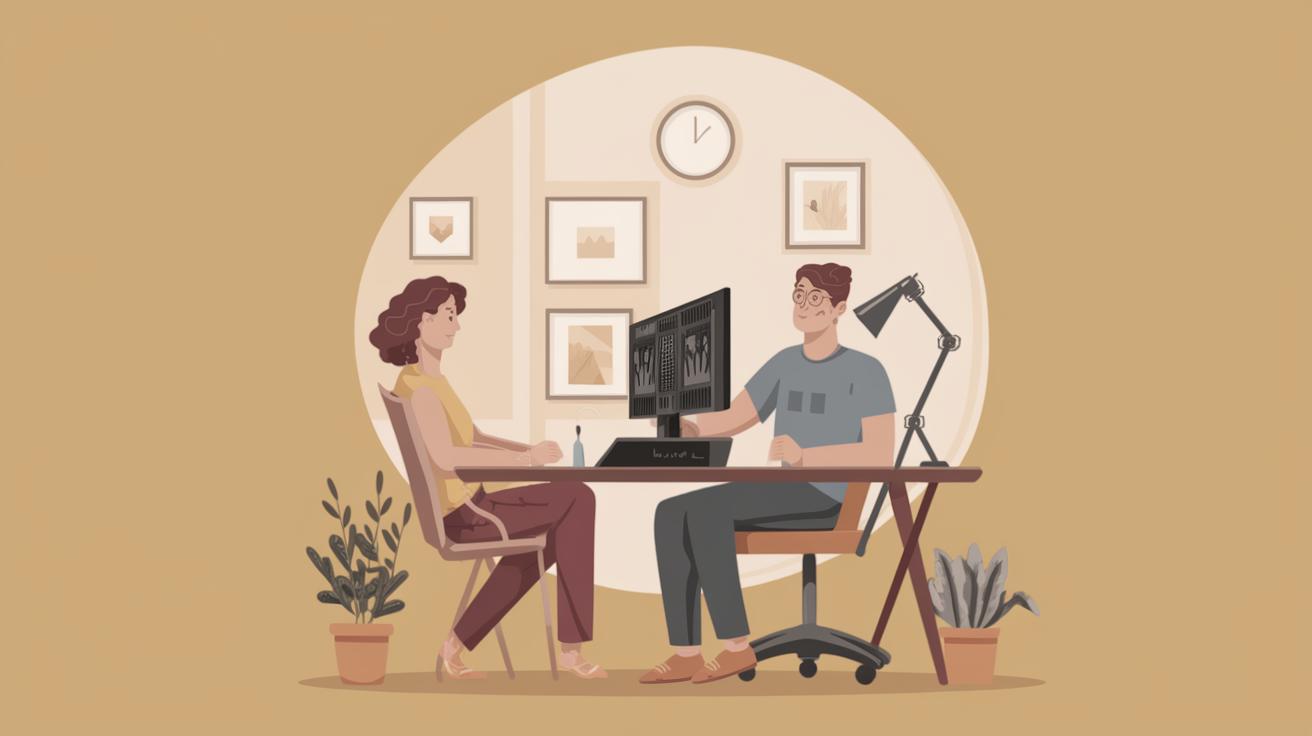
Embarking on a film project is an exhilarating journey; however, the collaborative process, particularly with a film editor, can profoundly influence the project’s success. This guide explores essential strategies for working productively with a film editor. From establishing clear communication channels to celebrating final achievements, each step can help foster a productive and creative environment. Whether it’s your first collaboration or you seek to streamline the process, understanding these key dynamics will arm you with the insights necessary to unleash your film project’s full potential. Read on to discover vital considerations for an effective editor collaboration.
Whether this is your first time collaborating with an editor or you just want the process to go more smoothly, here are some things to consider.
Establish clear communication channels
Clear communication lies at the heart of successful collaboration. From the onset, establish preferred communication methods, whether it’s through email, video calls, messaging apps, or project management software. Determining what works best for both parties is essential to ensure that no critical information gets lost in translation.
Regular communication is equally crucial. Schedule check-ins to discuss progress and challenges, ensuring alignment every step of the way. Maintain open lines for inquiries and clarifications, which will help nourish a trusting and transparent relationship. Your communication strategy should adapt to the project’s needs, fostering seamless interaction from inception to post-production.
Define roles and responsibilities
Clearly defined roles and responsibilities ensure that each team member knows where their contributions begin and end. Discuss and agree on who will handle specific tasks and decisions, from creative input to technical edits. This clarity prevents overlaps and miscommunications that may lead to inefficiencies or conflicts.
While having distinct roles is vital, it’s equally important to appreciate the flexibility of a collaborative creative space. Sometimes roles can blur as great ideas can come from anyone on the team. Encourage initiative and open discussion as part of the role-defining process to harness everyone’s creative potential while maintaining structure.
Develop a shared vision
Guided by a shared vision, both filmmaker and editor can navigate the project with creativity and purpose. Invest time in discussing the project’s overarching themes, style, and narrative direction. Understanding each other’s creative intentions helps prevent conflicts down the road.
Use visual aids such as mood boards, reference films or a written brief to vividly convey your vision. Collaboration around a shared vision fosters cohesion and harnesses passion, resulting in a product that aligns with the original concept while allowing for inventive interpretation.
Create a centralized project hub
In an era where digital tools are indispensable, establishing a centralized project hub enhances efficiency and organization. Utilize cloud-based platforms like Google Drive, Dropbox, or dedicated project management tools where all assets, drafts, and feedback can be easily accessed and updated.
A centralized hub serves as the project’s blueprint, ensuring version control and accountability. With all resources and communications gathered in one place, both the editor and filmmaker can stay informed and avoid unnecessary disruptions due to lost files or outdated information.
Encourage feedback and constructive criticism
Feedback is a powerful tool in any collaborative process. Cultivate a culture of constructive criticism, where ideas can be shared, evaluated, and improved upon. This is essential for solving creative disagreements and finding innovative solutions collectively.
Implement structured feedback cycles to review edits regularly. Encourage open dialogue where both positive and negative comments are welcomed, and ensure they are addressed constructively. This not only boosts the quality of the project but also enriches professional growth for everyone involved.
Provide training and support
As technology and techniques continue to evolve, providing training and support can be pivotal. Encourage ongoing learning through workshops or courses to keep your team engaged with the latest trends and tools in film editing.
Recognize the learning curves present in any collaborative effort. Patience and education, paired with a supportive mindset, enhance the team’s capabilities and morale, leading to a more successful project outcome.
Adapt to changes
The creative process is dynamic, and flexibility is key when unexpected changes occur. Whether changes arise from external feedback or new artistic directions, the team’s ability to adapt ensures continuous progress and resilience.
Emphasize adaptability as part of your working ethos. Encourage embracing challenges as opportunities for problem-solving and innovation, inspiring confidence and creativity in the collaborative process.
Celebrate success and acknowledge effort
Recognizing achievements and acknowledging effort are essential components of a healthy collaborative environment. Celebrate milestones, whether big or small, and express appreciation for the hard work and dedication each team member has put forth.
Hosting a wrap party or sharing a congratulatory note in your channels can bolster morale and fortify team bonds. By highlighting successes, you lay the foundation for future collaborations built on mutual respect and enthusiasm.
Are you a film editor who has any additional tips for making the process go smoothly? Filmmakers, did you find communication methods that have worked for you? Share them in the comments!
Final thoughts
In film production, the collaboration between filmmaker and editor is crucial for bringing a creative vision to life. By focusing on clear communication, defined roles, a shared vision, and a culture of adaptability and acknowledgment, your projects can reach their potential. Mutual respect and understanding lead to seamless collaboration and truly remarkable results.
| Strategies | Key Points |
|---|---|
| Establish clear communication channels | Select preferred methods, schedule regular check-ins, ensure transparency |
| Define roles and responsibilities | Clearly outline tasks, encourage initiative, work within a structure |
| Develop a shared vision | Align creative direction using visual aids and discussions |
| Create a centralized project hub | Utilize digital tools for organization and version control |
| Encourage feedback and constructive criticism | Foster a culture of open dialogue and structured feedback cycles |
| Provide training and support | Invest in ongoing learning, offer support and patience |
| Adapt to changes | Embrace adaptability, encourage problem-solving |
| Celebrate success and acknowledge effort | Recognize achievements, strengthen team bonds |