The Challenges of Guerrilla Filmmaking
Guerrilla filmmaking is a bold and innovative approach to making movies, often with limited resources and tight budgets. This style of storytelling is characterized by its spontaneous, unpredictable nature and its ability to adapt quickly to changing environments. Despite its appeal, guerrilla filmmaking presents unique challenges, from legal considerations to logistical hurdles. Through this article, we’ll explore the world of guerrilla filmmaking by defining what it is, examining the obstacles filmmakers face, sharing notable examples, and offering practical tips for those interested in diving into this raw and creative form. Read on to discover whether guerrilla filmmaking might be your artistic calling or simply a fascinating cinematic subject.
What is Guerrilla Filmmaking?
Guerrilla filmmaking refers to the practice of producing films in a low-budget manner, often using limited resources and shot in a spontaneous and unscripted style. This unconventional approach often involves filming in real locations without permits or prior permission, relying on natural lighting and minimal crew. The term “guerrilla” itself implies a sense of rebellion and resourcefulness, drawing a parallel with guerrilla warfare, where smaller forces use elements of surprise and improvisation.
This type of filmmaking emphasizes creativity and original storytelling over high-level production values. The essence of guerrilla filmmaking lies within its ability to tell powerful stories without being hemmed in by financial constraints or bureaucratic tape. Filmmakers often find themselves employing innovative techniques to capture scenes that traditional methods and large crews might overlook.
The Challenges of Guerrilla Filmmaking
One of the main challenges of guerrilla filmmaking is the risk of running into legal issues. Filming without permits, especially in public spaces, can lead to confrontations with law enforcement or disruptions caused by locals who might not appreciate the intrusion or the lack of formalities. Ensuring the safety of crew and cast while respecting the privacy and rights of the public is a delicate balance.
Logistical difficulties also abound, as guerrilla filmmakers seldom have the luxury of controlled environments, which translates to unpredictable lighting, audio, and environmental conditions. Additionally, working with less equipment often pushes filmmakers to be ultra-creative, stretching their ingenuity to the limit as they solve unforeseen problems on the fly.
Some Examples of Guerrilla Filmmaking
Richard Linklater’s “Slacker” is often hailed as a hallmark of guerrilla filmmaking. Shot in Austin, Texas, the film used non-professional actors and real locations without permits, capturing a day in the lives of various eccentric locals. Its raw honesty and style made it a cult classic, highlighting how authenticity in storytelling can be achieved through guerrilla tactics.
Similarly, the film “Paranormal Activity,” directed by Oren Peli, serves as a great example, produced on a shoestring budget of $15,000. It relied heavily on smart utilization of basic equipment and locations. The film’s massive return on investment, grossing over $190 million worldwide, demonstrated the market viability of the guerrilla approach.
Why (or Why Not) Shoot Guerrilla Style?
Shooting guerrilla style brings a level of creative freedom that is often not attainable in conventional filmmaking with its layers of bureaucracy. For storytellers wanting to push the artistic envelope and challenge the status quo, guerrilla filmmaking acts as an ideal platform to realize unique visions and experiment with different narratives on their terms.
However, this approach may not fit everyone. The unpredictability and lack of stability can be daunting, potentially leading to incomplete projects or compromised artistic vision due to constant adjustments. Additionally, without proper planning and execution, there’s a risk that the final product could suffer in quality, which might not meet audience expectations.
How to Shoot Guerrilla Style (Tips and Tricks)
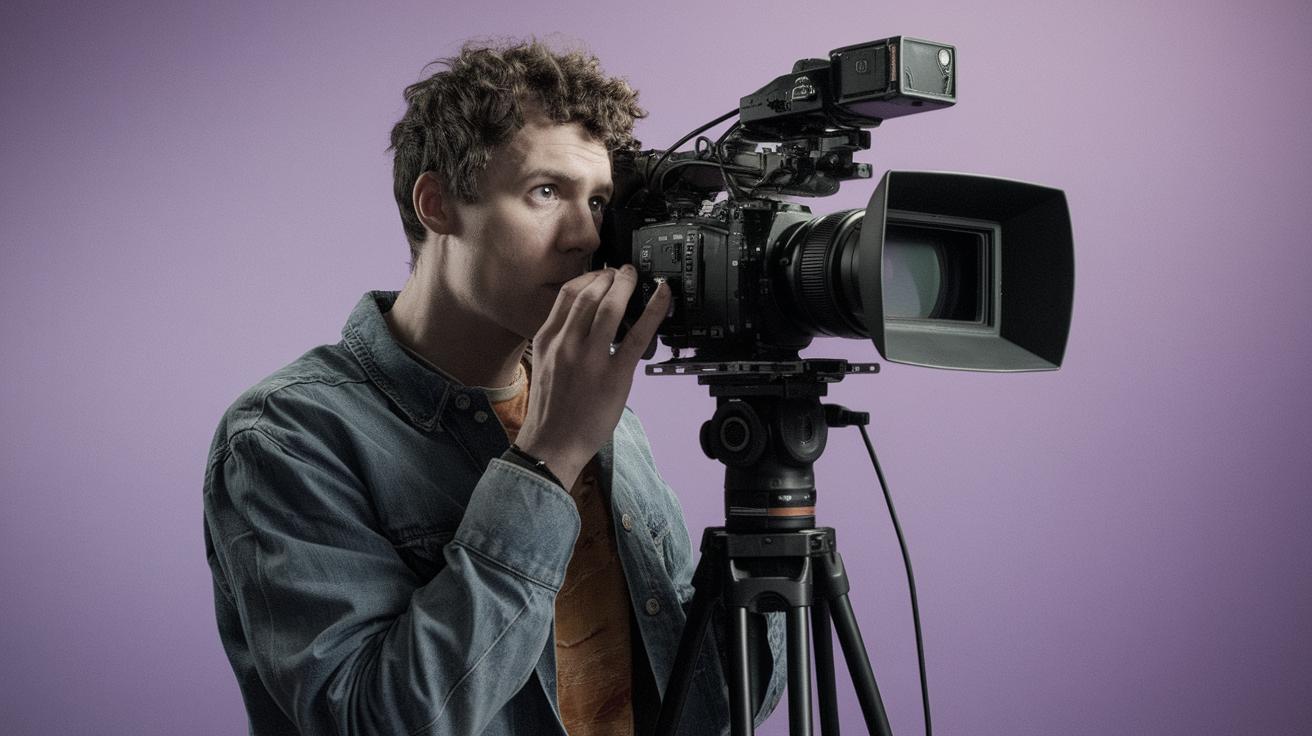
To successfully shoot guerrilla style, preparation, and adaptability are crucial. Embrace minimalism: use a lightweight camera setup and a skeletal crew to ensure mobility and discretion. Always have a backup plan in case your shoot is interrupted or locations become unavailable.
Network with locals and stakeholders to minimize disruptions and gain insightful knowledge about locations. Building relationships can often grant unexpected access and legitimacy to your project. Finally, invest time in editing and post-production; this is where the film’s true magic unfolds, compensating for any limitations experienced during the shoot.
Future Prospects
As technology continues to evolve, the tools required for guerrilla filmmaking become increasingly accessible, lowering the barrier to entry for aspiring filmmakers worldwide. Phones and compact cameras now offer high quality filming capabilities once reserved for expensive equipment. This democratization opens the door for fresh voices and unique stories in cinema, allowing guerrilla filmmaking to flourish in an era where digital platforms make distribution more attainable than ever.
Nevertheless, as more filmmakers adopt these unconventional methods, the lines between guerrilla and mainstream filmmaking will blur, challenging traditional definitions and sparking dialogue on the essence of cinema. With innovation at its core, guerrilla filmmaking will continue to inspire and shape the industry, proving that storytelling transcends budgets and conventions.
Share This
If you enjoyed this article and think others may find it useful or interesting, please share it on your social channels. Together, we can explore the fascinating world of guerrilla filmmaking!
Related
-
10 Iconic Independent Films and Their Impact on Modern Cinema
-
Filmmaking on a Dime: Strategies for Success
-
The Evolution of Film Technology: Then and Now
| Topic | Summary |
|---|---|
| Guerrilla Filmmaking Defined | The practice involves low-budget, unscripted filming in unpermitted locations, emphasizing creativity. |
| Challenges | Legal, logistical, and environmental issues pose significant hurdles to guerrilla filmmakers. |
| Examples | Films like “Slacker” and “Paranormal Activity” showcase successful guerrilla filmmaking. |
| Reasons to Shoot (or Not) | Guerrilla filmmaking fosters creativity, but unpredictable outcomes can affect production quality. |
| Tips and Tricks | Preparation, adaptability, and networking are key elements for successful guerrilla shoots. |
| Future Prospects | Technological advancements make guerrilla filmmaking more accessible, offering new opportunities in cinema. |