The Challenges of Filming on Location
Filming on location offers a unique set of challenges and rewards, as filmmakers strive to bring scripts to life against the backdrop of real-world environments. This article dives into essential aspects of on-location filming: from hunting down the ideal setting to capturing authentic visuals without compromising sound and lighting quality. By examining these elements, we explore the unpredictable yet thrilling nature of location shoots. Whether you’re a seasoned filmmaker or a novice eager to learn the craft, understanding these challenges can refine your skills and deepen your appreciation for this collaborative artistic endeavor.
Finding the Perfect Location
Unearthing the perfect location is akin to setting the stage for storytelling, where the environment itself becomes a character. Filmmakers spend considerable time scouting locations that align with the script’s narrative while leaving room for creative interpretation. The quest involves evaluating factors like accessibility, weather, permits, and local laws, alongside the location’s intrinsic attributes. The right choice can offer an immersive experience that reveals layers of emotion and context.
Location scouting demands a meticulous examination of logistics and aesthetics. Traveling often and making multiple site visits are crucial to ensure the chosen spot supports the director’s vision. Additionally, balancing budget constraints with creative desires requires strategic planning. In urban settings, crowds and traffic present challenges, while remote areas might lack basic amenities. Weighing these pros and cons is part and parcel of creating a cohesive film.
Capturing Authentic Visuals
Visual authenticity breathes life into a narrative, establishing resonance with the audience. When filming on location, the task is to harness its natural elements while maintaining cinematic integrity. The goal is to depict a scene that feels spontaneous yet deliberate. The landscape, architecture, and locale-specific nuances offer an authentic backdrop that studio sets struggle to replicate.
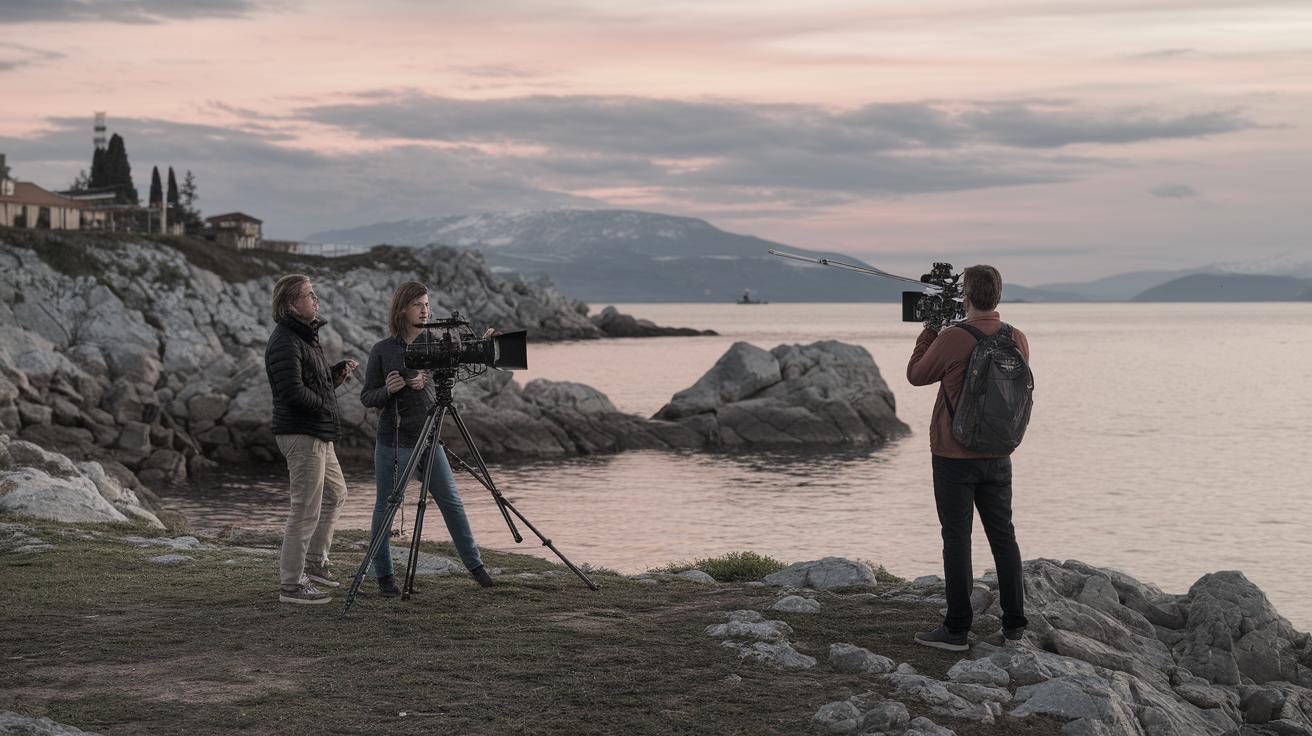
However, harnessing the visual allure of real-world locations requires a collaborative effort between the cinematography team and the director. Challenges arise in framing shots that capture the essence without invasive disruptions. Adaptations are often necessary, utilizing drones or specialized equipment to get the best possible angle even in confined or restricted areas. This level of artistry allows the audience to connect more deeply with the story being told.
The Sound Experience
Sound quality is a silent storyteller in filmmaking. On location, audio challenges become multi-faceted; there is no silent studio to shield you from unforeseen auditory intrusions. Natural ambiance can both enhance and hinder sound clarity. Capturing crisp dialogue amidst buzzing crowds or chattering wildlife demands advanced planning and possibly post-production intervention.
Sound technicians work tirelessly, finding the balance between ambient sounds that enhance realism and disturbances that detract from the narrative. With mobile recording setups and an array of microphones, the team must remain adaptable. Sounds of footsteps crunching on gravel or a gentle breeze rustling through trees bring scenes alive, yet any intrusive noise might derail an emotional peak. Mastering sound mixing in a real-world setting is an art form in itself.
Lighting: The Heartbeat of Your Film
Lighting stands as the backbone of visual storytelling, guiding the viewer’s perception and emotional response. On location, natural light is both an ally and an obstacle. The unpredictability of weather conditions and the shifting position of the sun force cinematographers to continually adapt. The time of day, shadow intensity, and color temperature are variables that influence a scene’s mood.
To control these elements, the film crew may introduce artificial lighting to supplement or counteract natural sources. Reflectors, diffusers, and portable lighting rigs become essential tools for creating consistency across shots filmed at different times. The marriage of natural and artificial lighting helps maintain continuity and supports the film’s visual narrative. Every beam of light is meticulously placed to evoke the intended emotion from the audience.
Embracing the Unexpected
Filming on location is rife with unpredictability. Weather changes, logistical hiccups, and spontaneous local interactions can disrupt schedules but often result in unforeseen artistic opportunities. Directors and crew members must remain agile, ready to adapt plans and embrace serendipitous moments that enrich the story.
A significant advantage of location filming is the potential for organic narrative growth. Being open to new possibilities can lead to discoveries that studio environments simply can’t offer. The ability to turn challenges into creative breakthroughs is crucial. This approach fosters a dynamic environment that nurtures both the technical and artistic components of filmmaking, often leading to unexpected moments that resonate with audiences on a profound level.
Future Prospects
| Aspect | Challenges | Solutions |
|---|---|---|
| Finding the Perfect Location | Accessibility, budget constraints, weather, and legal permits | Thorough scouting, strategic planning, and flexibility |
| Capturing Authentic Visuals | Balancing natural beauty with cinematic needs | Collaborative cinematography and innovative solutions |
| The Sound Experience | Uncontrolled ambient noise | Advanced audio planning and post-production tweaking |
| Lighting | Unpredictable natural lighting conditions | Using reflectors, diffusers, and portable lighting rigs |
| Embracing the Unexpected | Unpredictability of real-world elements | Flexibility and creative adaptation |