The Basics of Production Design
Production design is an essential component of filmmaking and storytelling that brings written concepts to vivid life. This blog post explores the fundamentals of production design, addressing its role, key elements, and historical significance in cinema. We’ll also delve into the differentiation of production design from similar terms, its importance, and how it’s applied in creating an immersive story world. Additionally, readers will gain insights on creating a brand mood board, which parallels the conceptualization phase in production design, while providing guidelines for inspiration, color schemes, and the technical assembly of a mood board digitally. This comprehensive guide will empower emerging creatives with the tools they need to craft distinctive narratives and brand identities.
Watch: Production Design Techniques
Exploring the visual language of film, production design techniques are a blend of art and science. Movies are multi-sensorial experiences, and production design plays a vital role in crafting the environment in which stories unfold. By blending architecture, color schemes, and texture, production designers construct a world that feels real to the audience.
Observing production design techniques allows filmmakers and enthusiasts to appreciate the depth of thought that goes into every frame of a film. From choosing the right location to dressing the sets and managing props, each element is meticulously curated to support the narrative. Videos showcasing these techniques can serve both as educational tools and as inspiration for those aspiring to venture into the world of filmmaking.
What is Production Design in Film and Story?
Production design is the backbone of any visual narrative, encompassing everything that appears on screen. Its primary goal is to create an authentic space that honors both the story and the director’s vision. Through the strategic use of settings, props, and wardrobes, production design embodies the film’s themes and emotions, providing a textured backdrop against which the characters’ stories are told.
In storytelling, production design is equally critical, setting the tone, mood, and context. Whether it’s adapting a historical setting or fabricating new worlds, production design ensures that all visual components are cohesive and narratively harmonious. This approach models a delicate balance between creativity and practicality amid budgetary and time constraints.
PRODUCTION DESIGN DEFINITION
First, let’s define production design
Production design refers to the overall visual appearance and artistic direction of a film or theater production. It involves the meticulous planning and creation of environments and atmospheres within which characters interact. This comprehensive task requires collaboration with directors, lighting technicians, set builders, and costume designers to produce a seamless visual narrative.
What is a production design?
A production design involves translating a script into visuals. It’s about transforming words into worlds. The process includes researching, designing, and overseeing the creation and construction of the set elements while ensuring compatibility with other artistic disciplines during production. This role is crucial in establishing context, mood, and time period, helping audiences fully immerse themselves in the story.
Key elements of film production design:
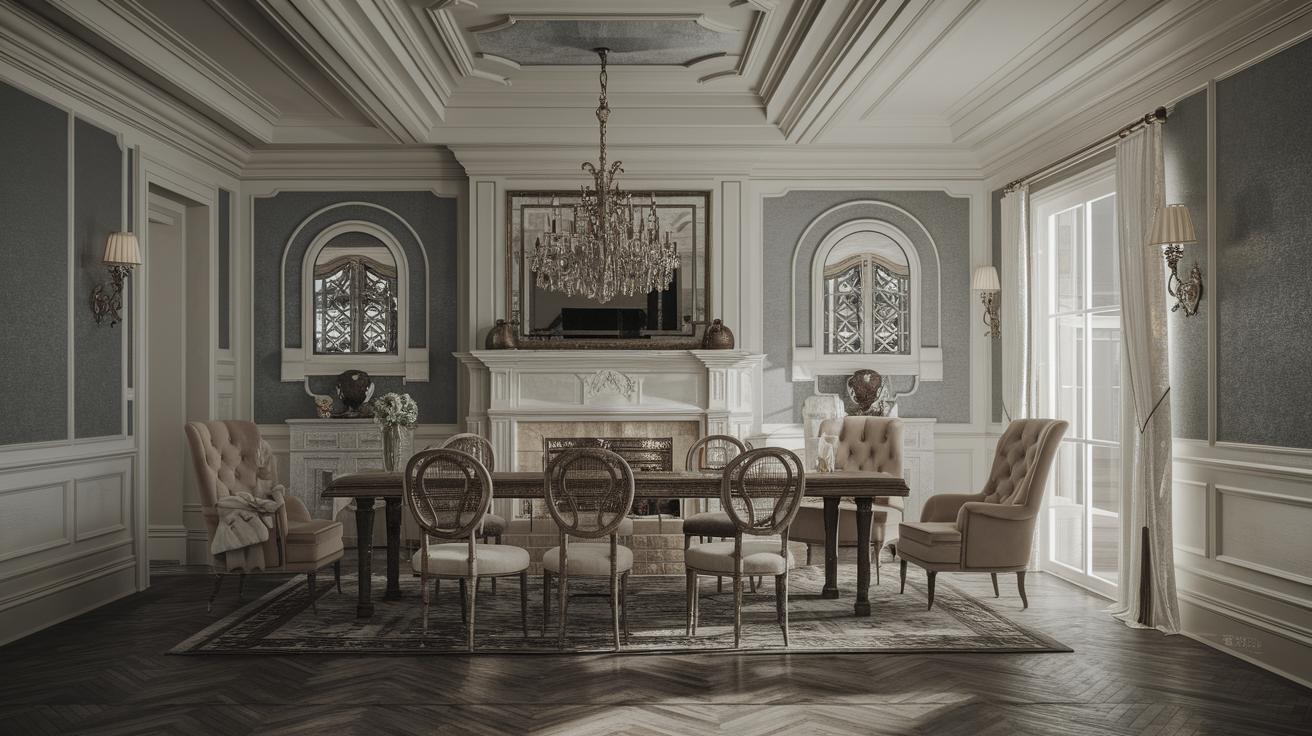
Within the realm of film production, certain elements are vital to the success of a production design. These include set design, which deals with the planning and creation of physical spaces; costume design, which aligns wardrobe with character development; and lighting, which affects mood and focus within scenes. Prop management also plays a role, providing objects that reinforce the story world.
The integration of these elements must be flawless to maintain narrative cohesion. Each component must work in harmony with the others to create a believable environment that supports both story progression and character development. Senior production designers often rely on mood boards, sketches, and digital models to visualize and refine their concepts before execution.
What is Production Design in Film Used For?
Differentiating Production Design
Although often confused with set design, production design encompasses broader visual storytelling components. Production design goes beyond building sets, influencing the aesthetic decisions of costume, lighting, and props to generate a unified visual style across the entire film. This aspect differentiates it from similar art-based disciplines.
Importance of Production Design
Production design is paramount in anchoring the storytelling process. Good production design can elevate a narrative, drawing viewers deeper into the film’s world through visual cues, mood settings, and contextual arrangements. It intrinsically affects how audiences perceive, engage with, and interpret the storyline and characters.
Production Design Meaning in Film History
History of Production Design
Production design has evolved significantly since cinema’s inception. Early films favored simplistic backdrops, but as audiences’ tastes matured, production design became more elaborate and nuanced. In the Golden Age of Hollywood, the role of production designers gained prominence, setting high standards for opulence and creativity.
The distinction of production design as a unique discipline was solidified in the 1930s when art directors like William Cameron Menzies expanded the scope of visual storytelling. Today, production design continues to develop, incorporating digital technology and innovative materials to exceed artistic boundaries.
Related Posts
For readers interested in deepening their understanding of film production, other articles explore topics such as the role of a director in collaborative projects, the evolution of visual effects in cinema, and insights into modern editing techniques. These resources offer further exploration into the multifaceted world of filmmaking.
Characteristics of Film Production Design
Elements of Production Design
The elements of production design often encompass a distinctive style, theme consistency, and functional realism. Each of these elements plays a part in grounding the film and ensuring the audience’s suspension of disbelief. Attention to colors, lighting, and architectural styles requires mastery to create authentic, yet imaginative environments.
What Does a Production Designer Do?
A production designer’s responsibilities stretch beyond conceptualization, encompassing executing the design vision by coordinating with art directors and set decorators. They supervise the construction of sets, plan logistics, manage budgets, and find solutions to creative and production constraints, all the while maintaining the film’s artistic integrity.
How to Make a Brand Mood Board Guide
Inspiration & Research
Creating a brand mood board requires gathering visual inspiration that encapsulates the brand’s identity and values. Research patterns, images, and motifs that resonate with the desired brand message while also exploring current market trends. This foundation assists in crafting an accurate representation of brand ethos.
Learning How to Make a Brand Mood Board
Brainstorm Color Schemes & Fonts
Key to a mood board is the selection of color schemes and fonts, as these elements visually communicate the brand’s personality and tone. By experimenting with various combinations, designers can achieve a unique aesthetic language that aligns with both the brand’s message and its target audience.
Creating a Branding Mood Board
Make It Your Own
Your branding mood board should reflect originality and authenticity. Personalized touches, such as incorporating hand-drawn elements or using textures familiar to the brand’s core, add character and depth. The goal is to create a personalized reference that informs future design decisions.
How to Make a Brand Mood Board Digitally
Assembling the Branding Mood Board
The digital assembly of a mood board involves using software tools to organize the visual elements cohesively. Popular applications allow for easy integration, experimentation, and refinement of concepts, resulting in a comprehensive digital document that serves as a branding guide.
Creating a Mood Board for Branding
Refining Your Vision
Refining involves narrowing down choices until the essence of the brand is perfectly represented. This stage often entails critical evaluations and adjustments to achieve balance and coherence, ensuring every visual component serves a purpose in the narrative.
What is a Mood Board?
A mood board is a visual representation of ideas, compiled to illustrate a stylistic direction. In branding, mood boards are instrumental in aligning design and business strategies by providing a platform to visualize concepts tangibly and collaboratively.
Related Posts
To further explore creative visualization techniques, related posts delve into design thinking for brands, the impact of color psychology, and the use of typography in crafting branding identities. These articles supplement knowledge for anyone seeking to fuse art and commerce.
Up Next
Stay tuned for our upcoming articles that will cover in-depth approaches to storytelling through visual arts. From narrative cinematography to the rising influence of interactive media, we aim to keep you abreast of evolving industry practices and opportunities.
Showcase your vision with elegant shot lists and storyboards.
Crafting an engaging narrative requires a seamless blend of planning and creativity. Utilize shot lists and storyboards as tools to visualize and organize scenes effectively before filming, ensuring a clearer translation of the script from concept to screen.
Summary of main points
| Section | Summary |
|---|---|
| Production Design Basics | Explored the foundational role of production design in film and storytelling, emphasizing its importance in creating immersive environments. |
| Definition and Elements | Defined production design and discussed its key elements like set and costume design, essential for cohesive narrative support. |
| Historical Context | Discussed the evolution and historical significance of production design throughout cinema’s history. |
| Applications and Importance | Highlighted production design’s differentiating factors, uses, and its critical role in shaping narrative engagement. |
| Brand Mood Boards | Provided guidance on creating mood boards, paralleling the conceptual processes in production design and aiding brand visualization. |
| Tools and Execution | Emphasized the use of shot lists and storyboards to articulate visual narratives effectively during the pre-production phase. |