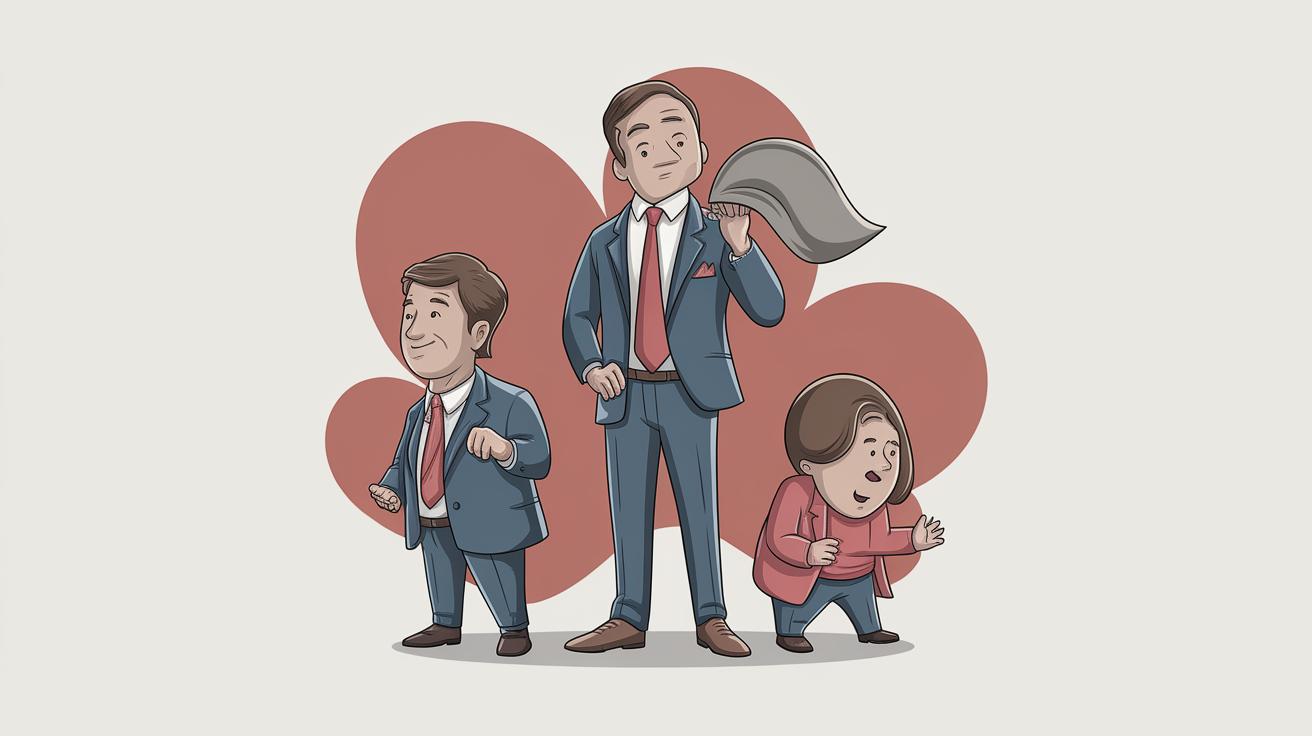
How to Explore Character Development in Sequels
Creating a sequel that enhances character development can be a challenging yet rewarding endeavor for any writer.
This blog post delves into the complexities of crafting sequels that not only maintain the allure of the original
story but also offer new insights into character growth. We’ll explore critical questions like determining if a
story is truly over and ensuring characters are where they are meant to be before embarking on a new journey.
Furthermore, we’ll discuss how to create a sequel that honors the original tale while bringing fresh perspectives
to beloved characters. By providing a thoughtful framework and examples, this guide aims to equip writers with the
tools needed to breathe new life into their sequels.
Lori Puma
Lori Puma is a renowned writer and storytelling expert, whose insights into character development have
significantly influenced modern storytelling techniques. Her approach to sequels revolves around deepening the
characters’ emotional landscapes while ensuring their evolution mirrors the passage of time and new experiences.
With a strong emphasis on continuity and connection, Puma’s work demonstrates how sequels can elevate a narrative
to new heights, offering audiences fresh layers of complexity and intrigue.
According to Puma, a sequel should never be a mere continuation but an evolutionary journey that reflects the
protagonist’s internal and external transformations. This transformation demands a careful balancing act—preserving
the essence of who characters are while pushing them into new and sometimes challenging territories. Puma’s
methodology encourages writers to explore the depth of their characters’ emotions and motivations, creating
narratives that resonate with authenticity and human relatability.
(In My Humble Opinion)
In my humble opinion, the success of a sequel largely depends on the writer’s ability to add depth to characters
while maintaining the allure of the original story. Sequels offer the perfect opportunity to explore uncharted
facets of a character’s personality, revealing growth typically shaped by the first narrative’s events. This
journey should take into account the broader universe in which the characters exist and offer readers an
opportunity to witness how they adapt and evolve in response to new challenges.
A sequel should be seen as an opportunity rather than an obligation—a chance to expand on beloved narratives and
characters without rehashing tired tropes. By focusing on character-driven storytelling, writers can ensure that
sequels are not only engaging but also meaningful additions to a character’s story arc. Utilizing innovative
narrative techniques and experimenting with different perspectives can help breathing fresh life into characters,
making them feel alive and relatable across subsequent adventures.
The first question: is the story over?
Before embarking on a sequel, it’s crucial to ask whether the original story has truly concluded. This assessment
involves considering whether narrative arcs have received fulfillment and whether characters are left with open
paths for further adventure. A story ending may not necessarily mean all threads are tied. Sometimes, secondary
plots or unmet desires provide the perfect lineup for a sequel, thus ensuring enough material for new character
exploration.
Assessing the completion of a narrative requires careful reflection. Untapped potential in a character’s journey,
unexplored relationships, or unresolved conflicts can all serve as fertile ground for a sequel. While the original
narrative might have wrapped up, sequels can explore lingering questions, providing depth and breadth to character
arcs that might have been otherwise missed. Writers should look beyond the surface of character actions and analyze
the internal conflicts that can be further developed in new narratives.
The second question: are your characters where they are meant to be?
Understanding if your characters have reached their intended arcs is paramount before developing a sequel. Have
they achieved the goals set at the beginning of their journey, or are there unresolved aspects that can be further
developed? A sequel must offer a trajectory for characters, exploring their discontent or aspirations that were
unrealized in the first story, thus setting a fresh path of development for them.
Characters should have genuine struggles or aspirations that drive the sequel’s narrative. The writer should
consider their emotional and psychological growth, while mapping out a plausible progression that aligns with their
initial characterizations. This approach not only provides continuity but also enhances relatability, as readers
witness characters navigating familiar yet challenging landscapes. Ultimately, understanding your characters’ place
in their story is critical to ensuring the sequel builds upon the groundwork laid by the original tale.
Now, how do we make a sequel that would do the first tale justice?
To honor the initial tale with a sequel, integrating elements of familiarity with innovative twists is key. Writers
must build upon the foundation of the original, maintaining its core essence while introducing fresh narratives
that deepen character development. Sequel success lies in weaving consistency with novelty, allowing characters to
evolve naturally within the context of their expanded world, where every twist and turn feels earned and organic.
Crafting a compelling sequel involves exploring uncharted territories within the character’s journey. Adding
nuances to their personality and placing them in new, often unpredictable circumstances ignites an intrinsic desire
to grow and adapt. Such transformations should flow from personal stakes or predicaments, showcasing their intrinsic
motivations and growth potential. Ultimately, a well-crafted sequel captivates audiences by offering an engaging
continuum of character evolution while respecting the essence of the original story.
Summary of Main Points
| Key Questions | Insights |
|---|---|
| Is the story over? | Assess narrative completion, explore unresolved conflicts and untapped potential for character studies. |
| Are your characters where they are meant to be? | Ensure characters have room for growth, evaluate emotional arcs, and identify new trajectories. |
| How to make a sequel do justice? | Blend familiarity with innovation, expand narrative depth, and cultivate natural character evolution. |