Famous Film Festivals to Know
Film festivals are a key part of the cinematic world, offering filmmakers and audiences a place to celebrate and discover new films. These festivals bring together a unique blend of culture, creativity, and community, serving as launchpads for independent films and major industry events. This blog will explore ten of the most famous film festivals globally, detailing their key features and notable contributions to film and culture.
1. Cannes Film Festival (France)
Key Features
The Cannes Film Festival, established in 1946, is arguably the most prestigious film festival in the world. Held annually in May in the glamorous city of Cannes on the French Riviera, it showcases top-tier films and draws celebrities and cinephiles from around the globe. With its coveted Palme d’Or award, Cannes is synonymous with excellence and innovation in filmmaking.
Cannes is renowned for its glitzy red-carpet events, lush backdrop, and cultural significance. It’s a place where industry professionals network and where new films garner international attention. Whether it’s for its art film tradition or market aspects, Cannes remains a pivotal event in the cinematic calendar.
Notable Films and Filmmakers
Films premiered at Cannes often become critical darlings and box office successes. Iconic films such as “Pulp Fiction,” “Apocalypse Now,” and “Parasite” have all graced its screens. Filmmakers like Quentin Tarantino and Pedro Almodóvar have found significant recognition and success through Cannes.
The festival also spotlights emerging talent, providing a platform for new voices in cinema to be heard. The influence of Cannes is felt across the film industry, impacting trends, distribution, and moviegoers worldwide.
2. Sundance Film Festival (USA)
Key Features
The Sundance Film Festival, founded by Robert Redford in 1978, is the premier showcase for new work from American and international independent filmmakers. Held in January in Park City, Utah, it is known for its focus on discovering and promoting emerging talent in independent filmmaking.
Sundance has established itself as a crucial launchpad for innovative and cutting-edge films, boasting a supportive community environment that encourages creative expression and storytelling.
Notable Films and Filmmakers
Sundance has been instrumental in the success of films like “Little Miss Sunshine,” “Get Out,” and “Whiplash,” with many of these going on to achieve critical and commercial success post-festival. It has become a turning point for directors such as Quentin Tarantino, David O. Russell, and Damien Chazelle.
This festival serves as a vital contributor to independent film, celebrating originality and providing filmmakers an entrance into the market that might otherwise be inaccessible.
3. Venice Film Festival (Italy)
Key Features
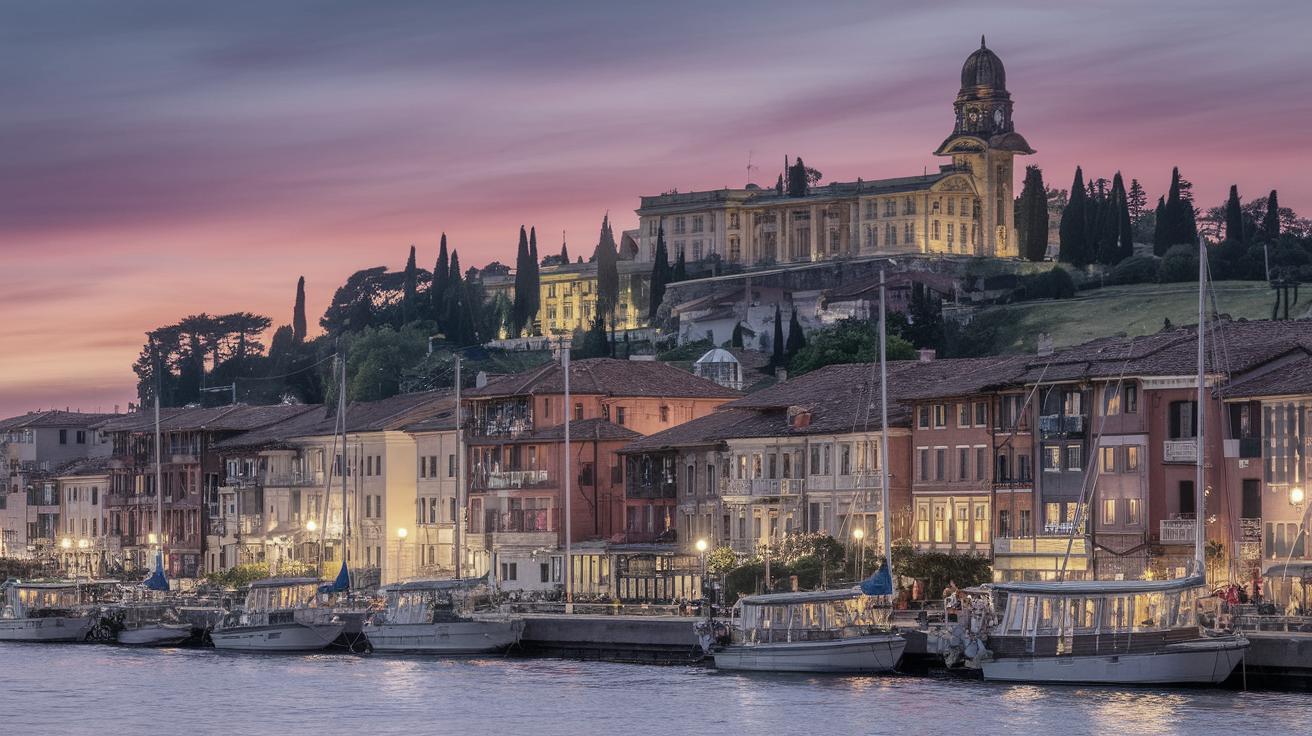
Established in 1932, the Venice Film Festival is the oldest of its kind and is part of the Venice Biennale, a significant cultural event with a long-standing tradition. Hosted on the picturesque Lido Island, it provides an elegant backdrop for the premiere of critically acclaimed films.
Venice is known for its artistic focus, often being the first major stop in the fall film festival circuit, making it a strategic launching point for awards season contenders.
Notable Films and Filmmakers
Works that have debuted at Venice include “La La Land,” “Roma,” and “The Shape of Water,” with many films gaining significant traction post-festival. Esteemed directors like Alfonso Cuarón and Guillermo del Toro have found Venice to be a valuable platform.
With its Golden Lion award, the festival continues to recognize and celebrate cinematic art, nurturing films that push the boundaries of storytelling.
4. Berlin International Film Festival (Germany)
Key Features
The Berlin International Film Festival, known as Berlinale, is one of the largest public film festivals globally, drawing thousands of film buffs and industry professionals annually. Founded in 1951, it is held every February in Germany’s vibrant capital.
Berlinale is recognized for its diverse program and inclusivity, hosting films across different genres and from various facets of the film industry worldwide.
Notable Films and Filmmakers
The festival has premiered important films like “Central Station” and “The Grand Budapest Hotel,” with many filmmakers achieving international acknowledgment here. Directors such as Ang Lee and Aki Kaurismäki have been celebrated at Berlinale.
The festival’s Golden Bear award is one of the most revered in the cinematic world, and the event offers a significant platform for German and international films alike.
5. Toronto International Film Festival (Canada)
Key Features
The Toronto International Film Festival (TIFF) is noted for its public appeal and the accessibility it offers to both audiences and the industry. Launched in 1976, TIFF takes place every September and is regarded as a crucial festival for Oscar season buzz.
TIFF is celebrated for its People’s Choice Award, which often predicts future award season success, reflecting the festival’s role in gauging public sentiment.
Notable Films and Filmmakers
Films such as “Slumdog Millionaire,” “Room,” and “The King’s Speech” have seen significant success after premiering at TIFF. The festival has been pivotal for filmmakers like Chloe Zhao and Steve McQueen.
With its international clout, TIFF has become a hotspot for discovering emerging talent and a vital venue for discussing pressing cinematic trends.
6. Telluride Film Festival (USA)
Key Features
The Telluride Film Festival is unique in its alpine setting in Colorado and its commitment to quality and surprise. Founded in 1974, the festival doesn’t reveal its lineup until opening day, focusing instead on the experience of discovering cinema without preconceptions.
Telluride emphasizes a relaxed and intimate atmosphere, attracting an audience of dedicated cinephiles and industry professionals alike.
Notable Films and Filmmakers
Telluride has screened films like “Juno,” “Brokeback Mountain,” and “Argo,” giving them significant momentum heading into awards season. Directors such as Alexander Payne and Joel and Ethan Coen have been closely associated with the festival.
The festival continues to be a cherished gathering for film lovers, offering a unique opportunity to engage with films in a serene and picturesque environment.
7. South by Southwest (USA)
Key Features
South by Southwest (SXSW), held annually in Austin, Texas, began in 1987 and has grown into a significant festival for film, interactive media, and music. Known for its vibrancy, SXSW champions innovation and emerging voices in the industry.
The festival is a hotbed for dialogue between filmmakers and audiences, providing workshops and panels that enhance the creative and technological aspects of cinema.
Notable Films and Filmmakers
SXSW has launched several noteworthy films, such as “The Hurt Locker” and “Bridesmaids,” and is a proving ground for directors such as Greta Gerwig and Richard Linklater, who have found inspiration and exposure there.
Its focus on intersectional arts makes SXSW a unique and progressive event in the film festival landscape.
8. Tribeca Film Festival (USA)
Key Features
The Tribeca Film Festival was founded in 2002 in response to the September 11 attacks, aiming to revitalize Lower Manhattan through cinema. Held every spring in New York City, the festival showcases a broad array of films and fosters a sense of community and shared cultural experiences.
Tribeca is dedicated to ensuring a broad representation of voices from different backgrounds and has become a platform for innovative technology in film.
Notable Films and Filmmakers
The festival has premiered films like “The Avengers” and “Half Nelson,” giving them a significant platform for success. Filmmakers like Debra Granik and Steve James have been critically acclaimed following Tribeca screenings.
With its urban energy and focus on new technology, Tribeca continues to be an essential hub for the film industry.
9. Locarno Film Festival (Switzerland)
Key Features
The Locarno Film Festival, one of the oldest in the world, was established in 1946 and takes place every August in the beautiful Swiss town of Locarno. The festival is known for supporting adventurous films and discovering emerging talents.
Its main event, the Piazza Grande screening, offers a unique outdoor viewing experience under the stars, drawing large audiences to its historic town center.
Notable Films and Filmmakers
Locarno has premiered films such as “MAS*H” and “The Usual Suspects,” and has been influential for filmmakers like Mike Leigh. The festival rewards daring narratives with its Golden Leopard award.
It is celebrated for its commitment to cinematic artistry and innovation, providing a platform for groundbreaking and challenging films.
10. BFI London Film Festival (UK)
Key Features
The BFI London Film Festival, created in 1957, is the UK’s largest public film event, known for its diverse programming and international competitions. Held every October, it spans across multiple venues in London, showcasing films to a wide-ranging audience.
LFF places an emphasis on the appreciation of film as an art form and a medium for discussion and cultural exchange.
Notable Films and Filmmakers
The festival has been instrumental in the success of films like “Slumdog Millionaire” and “12 Years a Slave.” Directors such as Danny Boyle and Steve McQueen have been spotlighted at LFF.
Known for its audience awards, the festival remains an integral event for film appreciation and explores a variety of themes and genres.
Final Words
Film festivals serve as bridges between creators and audiences, opening up worlds of storytelling, culture, and innovation. These ten festivals, each with its unique flair and focus, illustrate the rich tapestry of global cinema. As times change, these festivals continue to evolve, embracing new technologies and diverse voices, ensuring their place at the forefront of the cultural conversation.
| Festival | Location | Founded | Notable Films | Key Features |
|---|---|---|---|---|
| Cannes Film Festival | France | 1946 | Pulp Fiction, Parasite | Prestigious, Glamorous |
| Sundance Film Festival | USA | 1978 | Whiplash, Get Out | Independent Focus, Emerging Talent |
| Venice Film Festival | Italy | 1932 | La La Land, Roma | Artistic, Historic |
| Berlin International Film Festival | Germany | 1951 | Central Station, The Grand Budapest Hotel | Diverse, Inclusive |
| Toronto International Film Festival | Canada | 1976 | Room, The King’s Speech | Public Appeal, Oscar Buzz |
| Telluride Film Festival | USA | 1974 | Juno, Argo | Surprise, Intimate |
| South by Southwest | USA | 1987 | The Hurt Locker, Bridesmaids | Vibrant, Innovative |
| Tribeca Film Festival | USA | 2002 | The Avengers, Half Nelson | Community, Technology |
| Locarno Film Festival | Switzerland | 1946 | MAS*H, The Usual Suspects | Artistic, Scenic |
| BFI London Film Festival | UK | 1957 | Slumdog Millionaire, 12 Years a Slave | Diverse, Cultural |
Watch Movies To Learn New Languages With Lingopie!
Not only do film festivals introduce audiences to new cinematic experiences, but they also present a unique opportunity to learn languages. Lingopie is a fantastic platform that allows you to immerse yourself in foreign language films and TV shows, providing interactive tools to make language learning enjoyable. Embrace the language of cinema and expand your linguistic horizons with Lingopie.
Frequently Asked Questions
1. What are the big 3 film festivals?
The big three film festivals often refer to the Cannes Film Festival, Venice Film Festival, and Berlin International Film Festival, recognized for their prestigious status and cultural significance.
2. What is the best film festival to go to?
The best film festival to attend depends on your interests. For glamor and prestige, attend Cannes. For a diverse indie scene, Sundance is a great choice. TIFF offers popularity among public audiences and filmmakers alike.
3. How many film festivals are there in the world?
There are thousands of film festivals worldwide that range in size, focus, and prestige. These provide extensive opportunities for different types of films and filmmakers.
4. What are the 5 biggest film festivals?
The five biggest film festivals are typically considered to be Cannes Film Festival, Berlin International Film Festival, Venice Film Festival, Sundance Film Festival, and Toronto International Film Festival.
Written by
Betül Dağ.