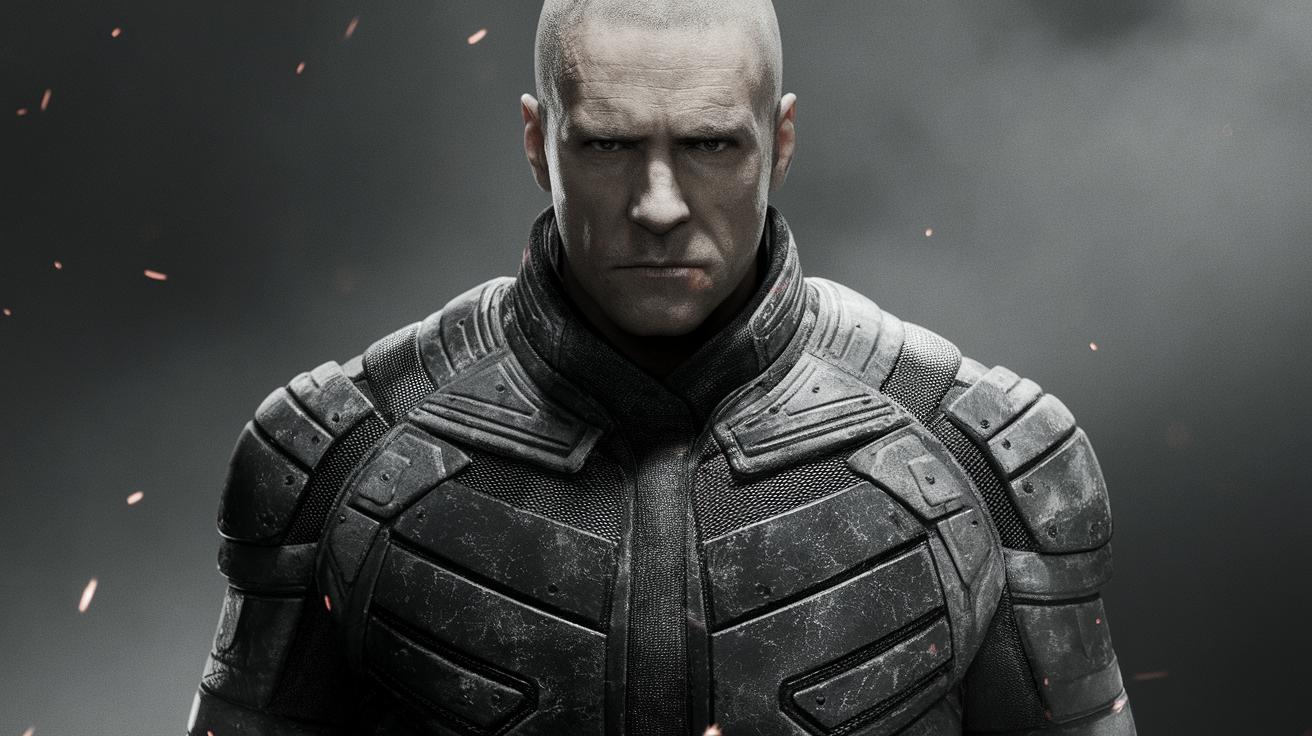
The Impact of a Strong Antagonist in Film
The presence of a powerful antagonist in film isn’t just about having a villain to hiss at; it profoundly impacts the narrative and character development. In this article, we’ll define what an antagonist is and discuss how their interaction with the protagonist shapes storytelling. From Harry Potter vs. Voldemort to T’Challa vs. Killmonger, we will dive into some of the most iconic protagonist-antagonist battles and explore how a multi-dimensional protagonist heightens the tension and emotional depth of a film. We’ll also discuss the process of crafting a protagonist who possesses both flaws and depth, ensuring a captivating story. Finally, we summarize our exploration with a visual table for a concise understanding. Follow along for a deep dive into the anatomy of storytelling layers that create unforgettable cinema experiences.
What is an Antagonist?
In the storytelling universe, an antagonist is usually viewed as the character who opposes the protagonist, creating conflict and driving the narrative forward. This opposition doesn’t always manifest as pure villainy; sometimes, it reflects differing ideologies or conflicting desires. In essence, the antagonist’s role is crucial, as they challenge the protagonist, prompting growth, introspection, and action.
The antagonist can be a singular character or a broader entity like society, inner fear, or even fate. This diversity in characterization enables writers and filmmakers to craft unique stories with varied conflict dynamics. A robust antagonist isn’t merely a hurdle for the protagonist to overcome; they are a well-rounded character with motives, complexities, and sometimes, redeeming qualities.
How the Protagonist-Antagonist Dynamic Shapes Storytelling
The protagonist-antagonist dynamic is a fundamental underpinning of most narrative structures. This relationship propels the story, ensuring that the protagonist has obstacles to overcome, ultimately fueling character development. It is the tension between these two forces that keeps audiences engaged, rooting for the hero to triumph.
A strong antagonist highlights the moral and ethical dilemmas faced by the protagonist, creating a richer narrative. This dichotomy compels the protagonist to evolve, providing insightful commentary on human nature. Through conflict with the antagonist, the protagonist’s virtues and vulnerabilities are exposed, offering the audience a deeper connection to their journey.
Famous Protagonist vs. Antagonist Battles in Movies
Round 1: Harry Potter vs. Voldemort
The battle between Harry Potter and Voldemort is a classic tale of good versus evil, forming the spine of J.K. Rowling’s acclaimed series. Voldemort, with his relentless quest for immortality and power, stands as the ultimate embodiment of darkness. Harry, an orphaned boy with a destined path, represents hope and resilience.
Voldemort serves as a mirror to Harry’s fears, pushing him to discover his inner strength and values. Their confrontations challenge audiences to consider the nature of power, love, and sacrifice. This dynamic not only defines their characters but also deepens the narrative’s thematic engagement.
Round 2: Forrest Gump vs. Society
In “Forrest Gump,” society acts as an unconventional antagonist. The film portrays Forrest, a man of limited intellectual capacity but immense heart, navigating a world that often fails to accept him. Society’s expectations and norms consistently challenge Forrest, positioning him as an outcast despite his good intentions.
This dynamic emphasizes themes of acceptance and perseverance, as Forrest’s innocence and steadfast integrity contrast sharply with societal cynicism. Through his interactions, the audience is invited to question the value of conforming versus staying true to oneself.
Round 3: T’Challa vs. Killmonger
“Black Panther” introduces a complex antagonist in Killmonger, whose motivations extend beyond villainy. Rooted in a desire to right historical wrongs, his conflict with T’Challa brings to light issues of heritage, identity, and justice. It’s a powerful exploration of two paths stemming from a common history.
This clash is significant not only for its action sequences but also for its thematic depth. The confrontation is as much about ideology as it is about personal vendettas, prompting viewers to reflect on globalization, inequality, and the legacy of colonization.
Round 4: Andy Sipowicz vs. Internal Demons
The television series “NYPD Blue” offers a different take with Andy Sipowicz battling his inner demons. Unlike a classic external antagonist, Andy faces internal struggles, including alcoholism and personal losses, as he seeks redemption.
This type of conflict enriches the character study, showcasing his vulnerabilities and the battle for self-improvement. Through Andy’s journey, audiences experience a narrative that resonates on a personal level, highlighting the power and complexity of internal conflicts that many face in life.
Creating a Protagonist with Flaws and Depth
A compelling protagonist is one with depth and relatable flaws. Flaws make them human, allowing audiences to connect with them emotionally. This imperfection facilitates growth and forms an integral part of the dramatic arc, as characters strive to overcome their shortcomings or leverage them for strength.
Depth in character involves complexity in emotions, motivations, and personality. A protagonist with a rich inner world provides a fertile ground for narrative tension and conflict resolution. The interaction with a formidable antagonist becomes more engaging when the protagonist’s journey challenges societal norms, personal beliefs, or moral standards.
Next Steps
Understanding the role of a strong antagonist enhances our appreciation of storytelling’s intricacies. Whether it’s a personal plight or a grand battle between forces, the antagonist’s contribution to the narrative remains vital. As our exploration reveals, every antagonist serves a purpose beyond mere opposition: they invite protagonists—and audiences—to reflect, grow, and ultimately engage in tales that resonate and inspire.
| Section | Description |
|---|---|
| What is an Antagonist? | Defines the antagonist’s role and significance in storytelling. |
| Protagonist-Antagonist Dynamic | Explores the importance of their interaction in driving narrative growth. |
| Famous Battles | Details iconic film battles, highlighting character and thematic depth. |
| Creating a Protagonist | Discusses the need for flaws and depth in protagonist creation for richer stories. |
Follow us on social media for more tips, tricks, and screenwriting insights:
Stay connected with our latest updates and storytelling insights by following us across our social media platforms. Engage with our community to explore deeper into the world of screenwriting and film analysis.
Try these articles next:
- The Art of Character Development in Screenwriting
- 10 Unforgettable Antiheroes in Television
- A Guide to Writing Memorable Villains
Author: Lucas Martin
Lucas Martin is a passionate storyteller and writer with a background in journalism and communications. He is constantly on the lookout for innovative ways to dive deep into film narratives and explore the art of compelling storytelling.