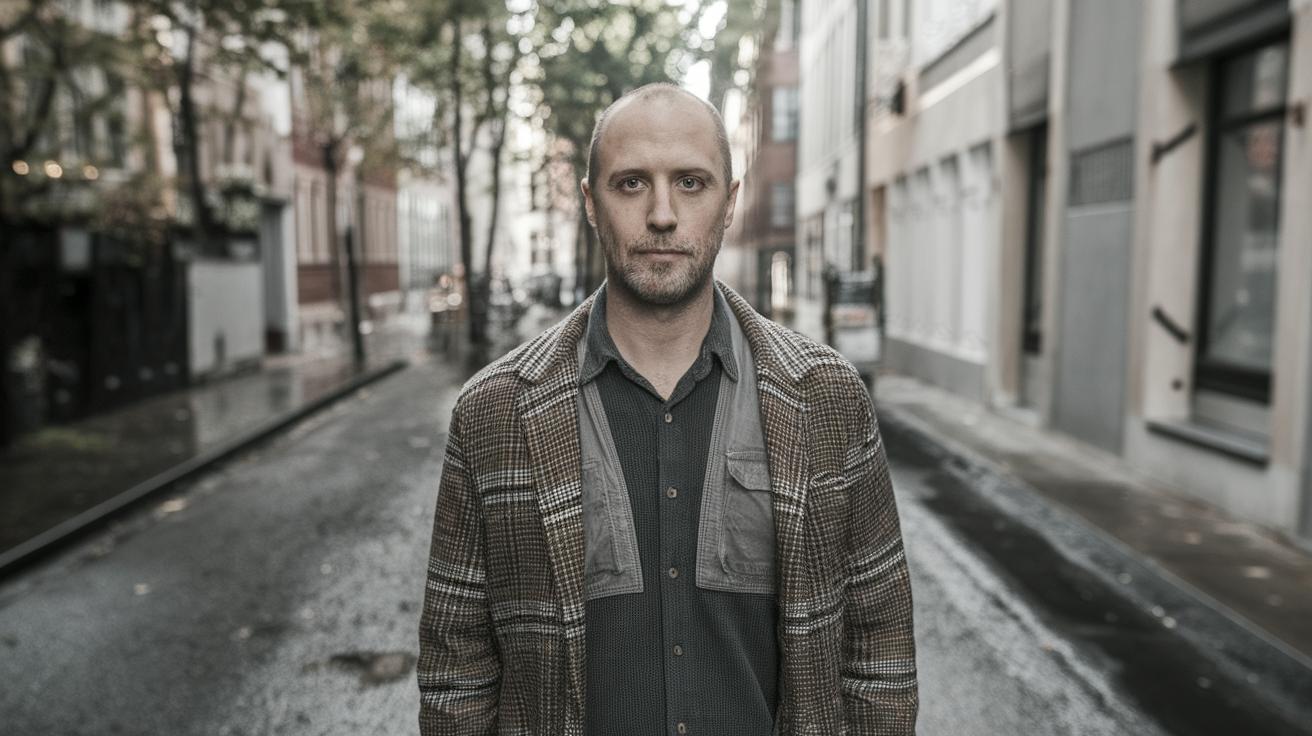
The Art of Cinematic Shots and Angles
Film is a powerful medium that relies heavily on visual storytelling. The angles and shots in a movie can deeply influence the audience’s perception and evoke emotions efficiently. This blog post delves into the core of film-making: understanding the various types of film shots and angles, their purpose, and how they enhance the storytelling experience. We will explore everything, from the narrative power of a Dutch angle to the revealing nature of a high angle. Prepare to witness cinema through a filmmaker’s lens as we simplify filmmaking jargon and ignite your passion for the nuances of camera work.
The Shot List Ep. 3 — Every Camera Angle Explained
Understanding camera angles in films is crucial as each one conveys a different story, emotion, and perspective. Many filmmakers utilize specific shots to guide the viewer’s emotional response and understanding of a scene. By blending various camera angles and compositions, directors craft a visual lexicon that communicates beyond dialogues.
From classic French New Wave cinema to contemporary blockbusters, each utilizes unique camera angles to dictate mood and narrative emphasis. Knowing these angles empowers budding filmmakers to experiment creatively, enabling compelling and visually engaging storytelling. This post aims to offer an in-depth analysis of camera shots ideal for any storyteller’s toolkit.
Camera techniques – Camera Angles
Camera Shot Angle Overview
Camera angles are fundamental in defining how a particular scene unfolds. They aren’t merely a technical requirement but are expressive tools that can intensify or soften a scene’s impact. From the high vantage of an aerial shot to the intimacy of a close-up, each angle can significantly alter a viewer’s experience and interpretation.
Comprehending these angles benefits not just filmmakers but anyone involved in visual storytelling, including photographers, videographers, and directors, offering them the capability to narrate stories with depth and meaning. As you continue reading, this blog will examine significant camera angles and their various applications and impacts in storytelling.
RELATED POSTS
Eye Level Shot Example
Eye Level Shot
The eye level shot is one of the simplest yet most potent angles in cinematography. It’s a neutral perspective where the camera is positioned at the character’s eye level, creating a balanced vantage point. This angle doesn’t distort the viewing experience, presenting characters and scenes as they are.
Directors often use the eye level shot to ground the narrative in reality. It effectively engages the audience by providing a shared viewpoint with the characters. This technique is particularly popular in dialogues or pivotal narrative moments, where establishing an emotional connection is crucial.
Low Angle SHOT Example
Low Angle Shot
Low angle shots position the camera below the subject, looking upwards. This angle can make a subject appear powerful, formidable, or intimidating. It visually enhances the subject’s stature, often used to highlight authority or dominance.
Conversely, a low angle can also evoke confusion or vulnerability when used to film scenarios where the viewer is made to feel small. Directors sometimes employ subtle low angles to enhance the dramatic stakes, giving the audience an imposing sense of the situation or character.
High Angle Shot Example
High Angle Shot
High angle shots are captured from above, looking down on a subject. This angle can diminish the perceived power and importance of a subject, portraying them as less powerful or overwhelmed by their circumstances.
Filmmakers utilize high angles to evoke emotions of vulnerability or helplessness. However, these angles aren’t solely used to showcase weakness; they are versatile tools for setting a scene’s overarching mood and context, creating intricate layers of storytelling.
Related Posts
Hip Level Shot Example
The Cowboy Shot or Hip Level Shot
The hip level shot, often referred to as the “cowboy shot,” is positioned at the hip level of characters. This angle became popular in Western films, typically used to frame the holster of gunslingers, adding dramatic tension before a duel.
Beyond action genres, the cowboy shot is prevalent in highlighting a character’s readiness or capturing a moment of anticipation. It’s an effective means of focusing on action-oriented sequences without sacrificing character depth or narrative flow.
Knee Level Shot Example
Knee Level Shot
Knee level shots, taken around a character’s knees, offer a distinct view that cements a unique perspective. This angle is primarily used when the filmmaker intends to emphasize a character’s lower body movements or particular actions.
This angle can emphasize motion, making it an excellent choice for cinematic storytelling in sports movies or scenes where body language plays a pivotal role in conveying meaning.
Ground Level Shot Example
Ground Level Shot
Ground level shots are positioned at the floor level, offering a literal and metaphorical low viewpoint. These shots can infuse intimacy or unease into a scene, often used to focus on what lies beneath visual perception.
Such angles are perfect for heightening tension, allowing the audience to witness the unfolding action from a primal, earthbound perspective. They enhance engagement by positioning the viewer directly into the scene, fostering a more personal connection.
Shoulder Level Shot Example
Shoulder Level Shot
In shoulder level shots, the camera captures the subject from a height parallel to a character’s shoulder. This angle offers a blend of intimacy without becoming invasive, functioning as a bridge between eye level and other more dramatic angles.
A shoulder shot is ideal for dialogues, where maintaining character relation is essential. It reflects natural human interaction, offering viewers a direct visual link to ongoing conversations or conflicts within a story.
Dutch Angle Example
Dutch Angle or Dutch Tilt Shot
The Dutch angle, or Dutch tilt, occurs when the camera is tilted on its roll axis, distorting the horizon line. This angle often conveys psychological unease, tension, or chaos, popular among filmmakers experimenting with surreal or tense narratives.
Utilized sparingly, the Dutch angle can heighten drama or foreshadow dissonance within a scene. However, it demands skillful application to avoid overwhelming viewers, making it ideal for suspenseful or climactic moments.
Overhead Shot Example
Overhead Shot or Bird’s Eye View
Overhead shots, or bird’s eye views, are captured straight down from above. These angles provide a unique perspective, distancing audiences to witness the scene’s entirety, often conveying isolation or a grand scale.
Directors might use this angle to establish setting, geographical relationships, or mass movements. It grants an omniscient view, making it effective for opening shots or significant transitions where spatial awareness is crucial.
Aerial Shot Example
Aerial Shot
Aerial shots involve filming from an elevated point, often via drones or helicopters, providing sweeping views of vast landscapes or cityscapes. Highlighting these views adds grandeur and scale, enhancing a film’s visual spectacle.
These shots beautifully introduce locales, allowing audiences to appreciate the grand scope or timeless beauty of a setting. Directors leverage aerial shots to evoke emotions such as awe and freedom, creating an unforgettable visual imprint.
Related Posts
CAMERA ANGLES
Get Inspired. Explore More Angles.
Exploration in camera angles is critical for unleashing your creativity in storytelling. Never hesitate to experiment with unconventional angles, as they might carry the potential to redefine cinematic language. The vast world of cinematic angles awaits those who dare to innovate and inspire.
Personal experiences and stories can benefit immensely from these technical explorations, opening possibilities for new meanings and audience connections. This guide should serve as a launching pad for diving into inventive angle executions that resonate with your cinematic pursuits.
UP NEXT
The Complete Guide to Camera Shots
Publications and references offer deeper insights into expanding your understanding of camera shots. By studying legendary filmmakers and contemporary innovators, one can grasp the nuanced artistry of varying camera techniques to elevate storytelling.
Take a step further by immersing into a comprehensive understanding of each camera shot. This exploration fosters a stronger command over storytelling tools, reaping a richer narrative experience for your audiences.
Showcase your vision with elegant shot lists and storyboards.
Creating organized shot lists and storyboards enables an efficient filmmaking process, ensuring your vision is masterfully translated to the screen. Expand your narrative toolset, capturing precise elements with detailed, creative planning.
Conveying stories visually demands effective planning. Storyboarding captures and refines your vision, transforming ambitious ideas into reality. Leverage these techniques to channel purposeful creativity into impactful storytelling.
Future Prospects
| Shot Type | Angle Description | Usage |
|---|---|---|
| Eye Level Shot | Camera at eye level with character | Neutral, realistic perspective |
| Low Angle Shot | Camera below subject looking up | Emphasizes power or intimidation |
| High Angle Shot | Camera above subject looking down | Conveys vulnerability or perspective |
| Dutch Angle | Camera tilted on roll axis | Shows disorientation or tension |
| Bird’s Eye View | Camera directly above scene | Establishes scale and setting |
| Aerial Shot | Elevated, sweeping environmental view | Creates grandeur and scope |